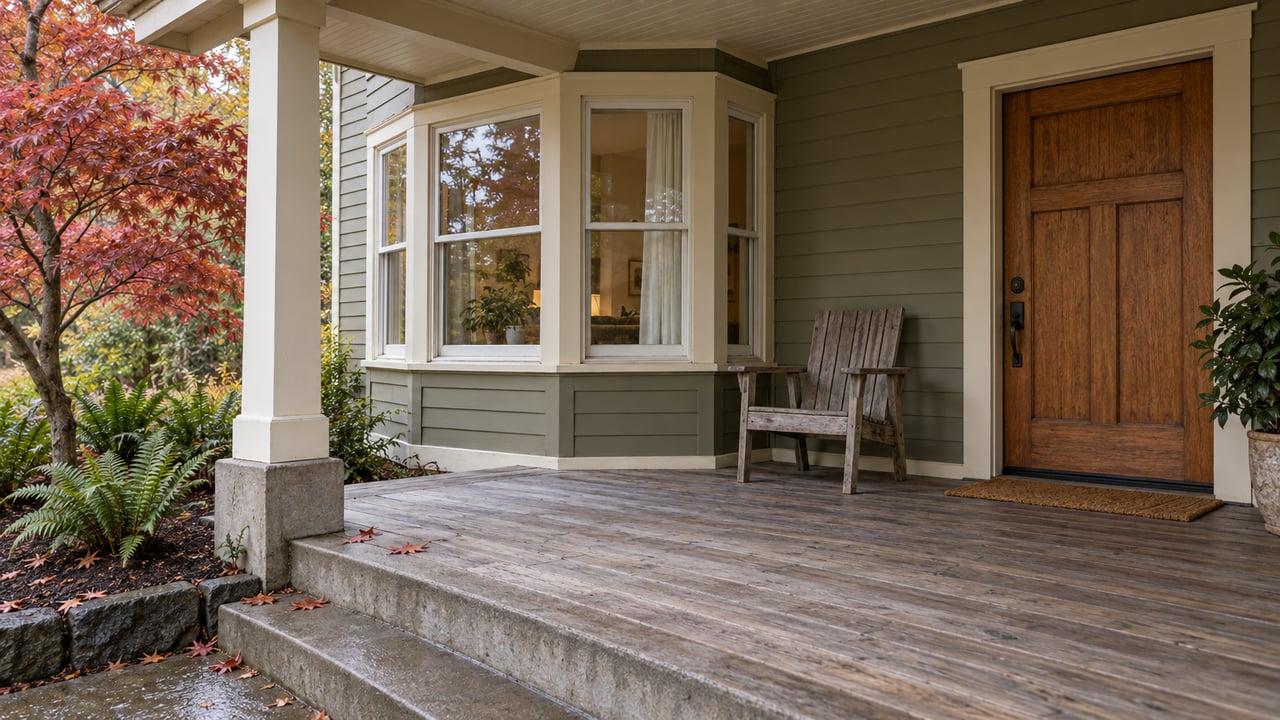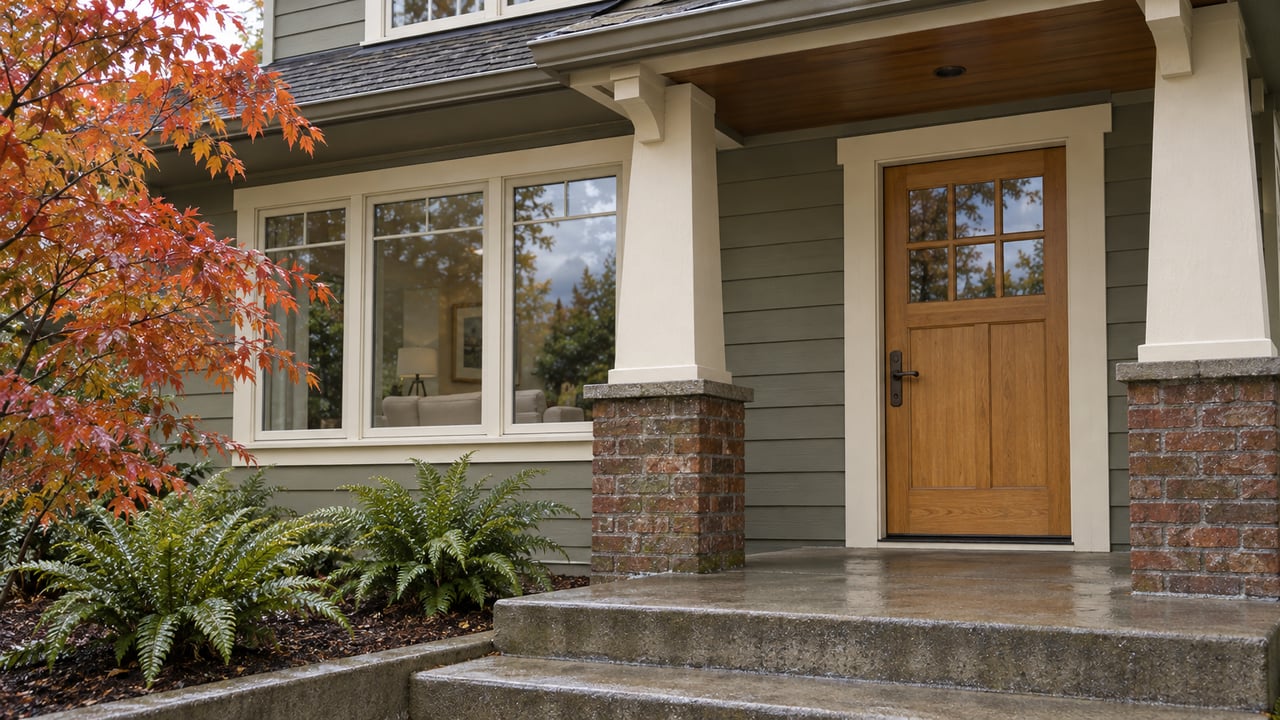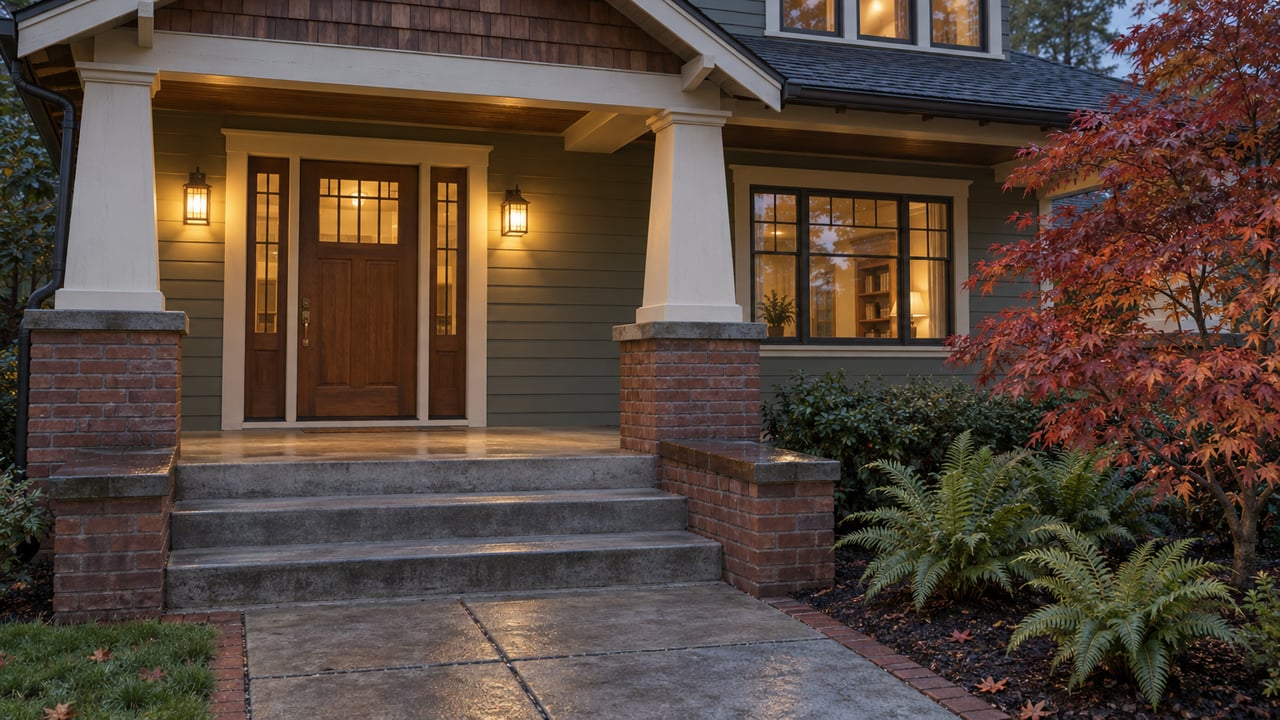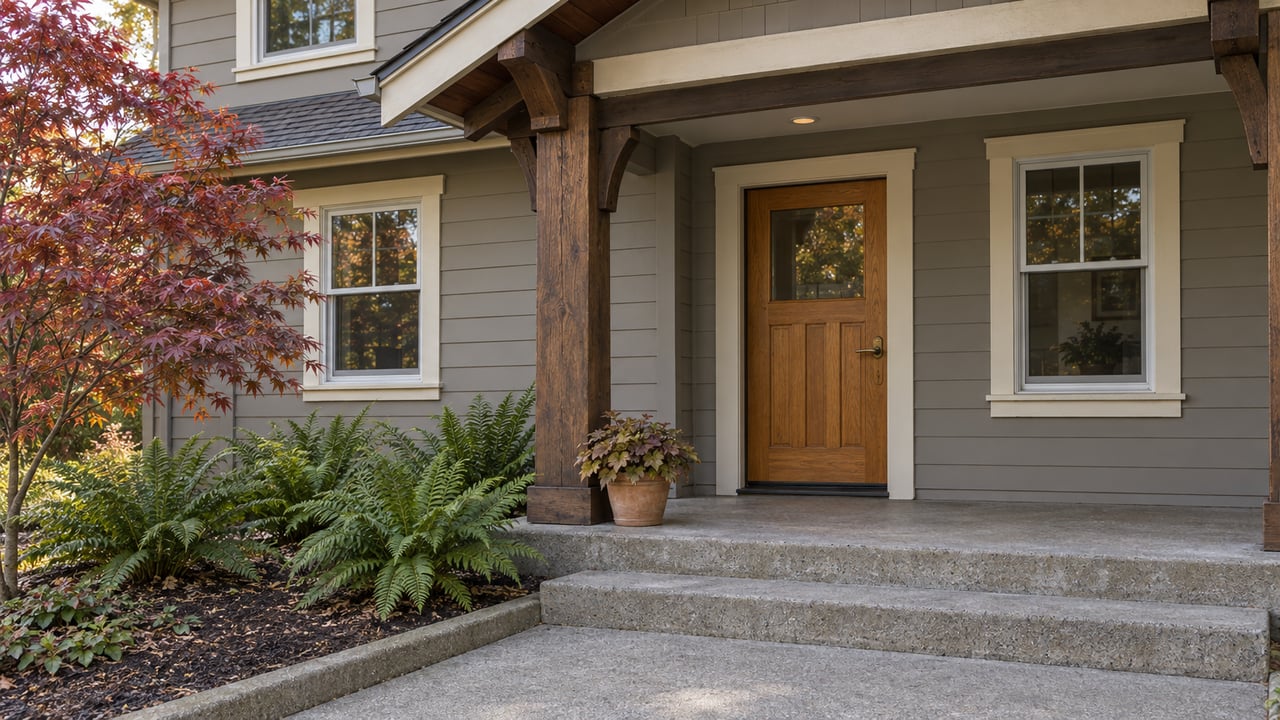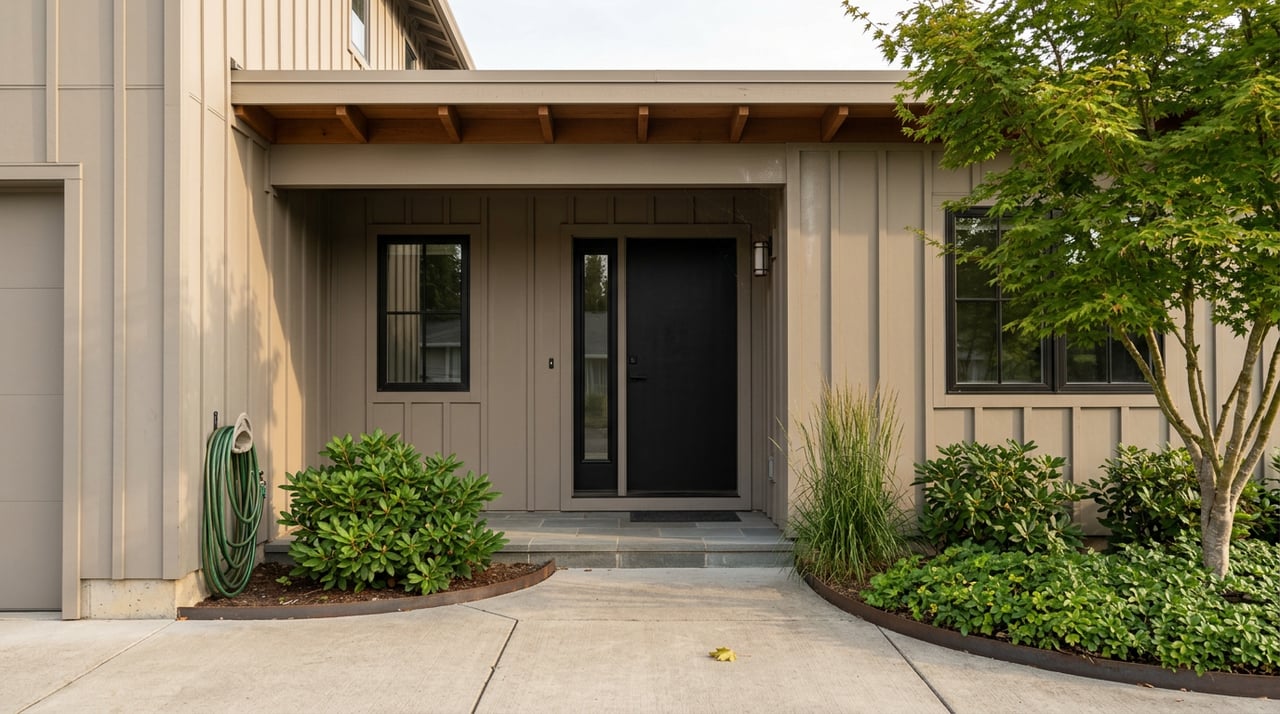
Picture two Happy Valley listings sitting at $650,000. One is a brand new single-family home at Avery Terrace, D.R. Horton's community off SE 172nd Avenue. The other is a three-bedroom resale near the Damascus corridor that the same family has owned since the early 2000s. Same price. Same city. Same school district boundary lines. If you're comparing them purely on the number on the sign, you're missing the part of the deal that follows you for as long as you own the place.
Oregon does not tax homes the way most buyers assume. According to AppealDesk, there is no reset button when a property changes hands, which means the sticker price you negotiate and the number the county uses to calculate your tax bill can drift apart for decades. Buyers moving here from reset-on-sale states, or buyers who simply haven't priced this into a monthly budget, are the ones most likely to be surprised a year in.
The Mechanism: Oregon Doesn't Reset Assessed Value on Sale
Oregon's property tax system runs on a 1997 law called Measure 50. Every property carries a Maximum Assessed Value, or MAV, and that number is legally capped at 3% annual growth. Your actual tax bill is based on whichever is lower: the MAV or the home's real market value. Clackamas County's own explainer confirms the mechanics: the cap holds unless a specific exception applies, and new construction is one of the few things that can push assessed value up faster than 3% in a given year.
Here's the part that catches people off guard. When a home sells, the buyer inherits the seller's existing assessed value, as AskDoss explains. The purchase price doesn't matter to the county assessor. If the previous owner held the Damascus-corridor resale for two decades while Portland-metro home values climbed well past 3% a year in most of those years, that home's assessed value has almost certainly fallen well behind what it would sell for today. The buyer at Avery Terrace gets none of that head start.
This is the opposite of how California's Proposition 13 works, where a sale does trigger a reassessment to purchase price. In Oregon, the sale itself changes nothing about the assessed value. Exceptions can move that number outside the normal 3% path.
What This Looks Like in Happy Valley Right Now
Happy Valley is a useful place to watch this play out because so much of its current inventory is genuinely new. D.R. Horton's Avery Terrace, sited off SE 172nd Avenue, offers townhomes and single-family plans from roughly 1,619 to 2,704 square feet within walking distance of Scouters Mountain Nature Park, Happy Valley Nature Park, and Hidden Falls Nature Park. A few minutes away, Holt Homes' Scouters Mountain community is mid-build on a planned six phases. Phase one is complete, phase two is open for sales with homes ranging from about 1,594 to 3,370 square feet, and the builder expects the final phase to begin in late 2026. Ichijo USA's Pleasant Valley Villages adds energy-focused attached and detached homes with a clubhouse, pool, and trail system. On the higher end, the gated Altamont neighborhood offers custom homesites with Cascade and Mt. St. Helens views on R20-zoned land.
Every resale nearby, especially anything that traded hands more than five or six years ago, is likely carrying an assessed value that has quietly fallen behind the market. A cost of living breakdown for Happy Valley pegs the effective property tax rate around 1.09%, which works out to roughly $7,172 a year on a home near the $658,000 March 2026 median, assuming the assessed value tracks close to that market price. That estimate holds up well for a new construction buyer. It's a much less reliable guide for a buyer eyeing an older resale, where the real bill often runs lower than a straight percentage-of-price calculation would suggest, and runs higher the newer or more recently remodeled the home is.
None of this shows up on a listing sheet. It shows up on the first property tax statement, and again every year after that.
Two Speeds, One Median
There's a second wrinkle worth understanding if you're watching Happy Valley's numbers move. In March 2026, homes here sold at a median of $658,000 and went pending in an average of 57 days, down from 60 days the year before. That's a market that sounds brisk. But a local title company's data tracked through late 2025 told a different story: average time on market climbing to roughly 153 days, well above the roughly 125-day Portland metro average at the time, continuing a multi-year drift up from 121 days in 2022 to 138 days in 2024.
These aren't contradictory numbers. They're measuring different things. An average pending time gets pulled down by whatever segment of inventory is moving fastest, and right now that's turnkey new construction at Avery Terrace and Scouters Mountain, where move-in-ready homes with warranties and predictable finishes sell quickly to buyers who don't want to negotiate repairs or guess at a roof's age. An average across all active listings gets dragged up by everything sitting unsold: larger acreage parcels, custom lots in gated enclaves like Altamont, and older homes priced without accounting for the tax gap above.
For a buyer, the practical takeaway is this: if you're shopping new construction in Happy Valley, you're competing in a fast lane. If you're shopping resale, especially anything off the beaten path toward Damascus, you may have more room to negotiate on price, and it's worth asking why a particular listing has sat.
What to Ask Before You Write an Offer
A few questions are worth asking directly, whether you're working with an agent or doing early research on your own:
- What is the home's current assessed value, and how does it compare to the asking price? Clackamas County's property records will show both the Maximum Assessed Value and the Real Market Value side by side.
- How long has the seller owned the property? A longer hold generally means a wider gap between assessed value and market price, and a lower starting tax bill for you as the new owner.
- If you're looking at new construction, which phase are you buying into? At Scouters Mountain, for example, phase timing affects not just price but which lots and floor plans remain.
- Has the home had any permitted additions, remodels, or an ADU conversion?
- Are you comparing HOA-covered new construction against a resale with no HOA? The monthly math needs both numbers, not just the mortgage payment.
A Few Questions Worth Asking Directly
Does buying a resale mean I automatically get the seller's low tax bill? You inherit the seller's assessed value at closing, not a fresh calculation based on your purchase price. If they've owned the home a long time, that can work in your favor for years to come, since the 3% cap keeps applying from wherever the assessed value already sits.
Will my property taxes eventually catch up to what I paid for the home? Not automatically. The assessed value grows at a legally capped 3% a year regardless of what the home is worth on paper, unless an exception applies. Two owners of similar homes can pay different tax bills indefinitely.
Does this apply to townhomes and attached product like Avery Terrace's townhome plans, not just single-family lots? Yes. Measure 50's rules apply to the property type generally, not just detached single-family homes.
None of this is a reason to avoid new construction or to assume resale is automatically the smarter buy. It's a reason to run the actual numbers on the specific home in front of you, using county assessment records rather than a flat percentage, before you decide what a given price tag really costs you month to month.
If you're weighing a new build against a resale in Happy Valley, or trying to figure out what a specific property's tax trajectory looks like before you write an offer, Henry Liu has spent years working both sides of exactly this kind of comparison across the Portland metro. Reach out and let's look at the actual numbers together.
This article is general information, not legal, tax or financial advice. Consult a qualified professional about your situation.