If you are thinking about living in Camas, Washington, one question matters most: what does day-to-day life actually feel like? For many buyers, Camas stands out because it offers a suburban setting with strong outdoor access, a historic downtown, and a location that keeps Vancouver and Portland within reach. It also comes with a higher housing budget than many nearby areas, so it helps to understand both the lifestyle and the tradeoffs before you make a move. Let’s dive in.
Camas at a Glance
Camas is a city in east Clark County with a population of 27,313, according to the U.S. Census. Since 2020, the population has grown by 4.6%, which points to steady demand and continued interest in the area.
The city also shows signs of stability that many buyers look for. The Census reports a 78.3% owner-occupancy rate, 2.97 persons per household, and 87.2% of residents living in the same home a year earlier. In practical terms, that suggests a community where many people stay put and put down roots.
Camas Lifestyle and Community Feel
One of the biggest draws of Camas is its balance between suburban comfort and a more connected town feel. You get residential neighborhoods, natural scenery, and a downtown core that still feels active and local rather than purely functional.
Downtown Camas is described by the Downtown Camas Association as historic, tree-lined, and small-town in character. It includes boutiques, eateries, art galleries, and everyday services, which gives you a central place to shop, walk, and spend time without always needing a big regional trip.
Community events also shape the local experience. Recurring events like First Fridays, Camas Days, and the Camas Farmers Market help create a steady calendar of things to do, especially in warmer months. The summer farmers market adds produce, plants, food, music, and children’s activities, which supports that active, community-oriented feel.
The Camas Public Library, located downtown at 625 NE 4th Avenue, adds another practical and civic anchor. With community programming and weekday evening hours, it contributes to the sense that downtown is not just a shopping area, but part of everyday life.
Outdoor Life in Camas
If access to parks and trails matters to you, Camas has a lot to offer. The city says it manages 16 developed parks, 12 miles of city trails, and more than 1,060 acres of parks and open space. A separate city parks maintenance page puts the total closer to nearly 1,250 acres when undeveloped open space is included, so the exact number depends on how the city counts it.
Either way, the broader point is clear. Parks and natural areas are a major part of living in Camas, and they are not just an afterthought.
Lacamas Park is one of the city’s best-known outdoor destinations. It includes fishing, hiking and biking trails, a playground, picnic areas, restrooms, and access to additional trail and open-space areas, making it a useful spot for both quick outings and longer weekend time outside.
Other highlighted outdoor spaces include Fallen Leaf Lake Park, Heritage Park, Washougal River Greenway Trail, Crown Park, and Grass Valley Park. For many residents, this means outdoor recreation can be part of your normal weekly routine, not just something you save for special occasions.
Getting Around From Camas
For many households, commute and regional access are a big part of the decision. Camas is well positioned for people who need to reach other parts of Clark County or cross into the Portland area, but your experience will often depend on your schedule and how you prefer to travel.
The U.S. Census reports an average travel time to work of 24.6 minutes. That gives a helpful general benchmark, though actual commute times can vary depending on destination, bridge traffic, and time of day.
For transit, C-TRAN provides several useful connections. The system offers express commuter service to downtown Portland and Marquam Hill, connections to the nearest light rail station, and an on-demand Current service that includes a Camas and Washougal zone.
Route 92 directly connects Camas and Washougal with Fisher’s Landing Transit Center on weekdays and weekends. That gives riders a practical link into the broader Clark County transit network.
If you drive into the Portland area, traffic conditions can play a major role. Washington State Department of Transportation data shows that the eight-mile morning peak segment between the I-5 interchange and the Glenn Jackson Bridge averaged 14 minutes in 2023, which helps illustrate how bridge-corridor travel can shift based on timing.
Housing in Camas
Housing is one of the clearest differences between Camas and some nearby cities. The area tends to appeal to buyers who want a suburban setting and are prepared for a higher price point in exchange for that lifestyle.
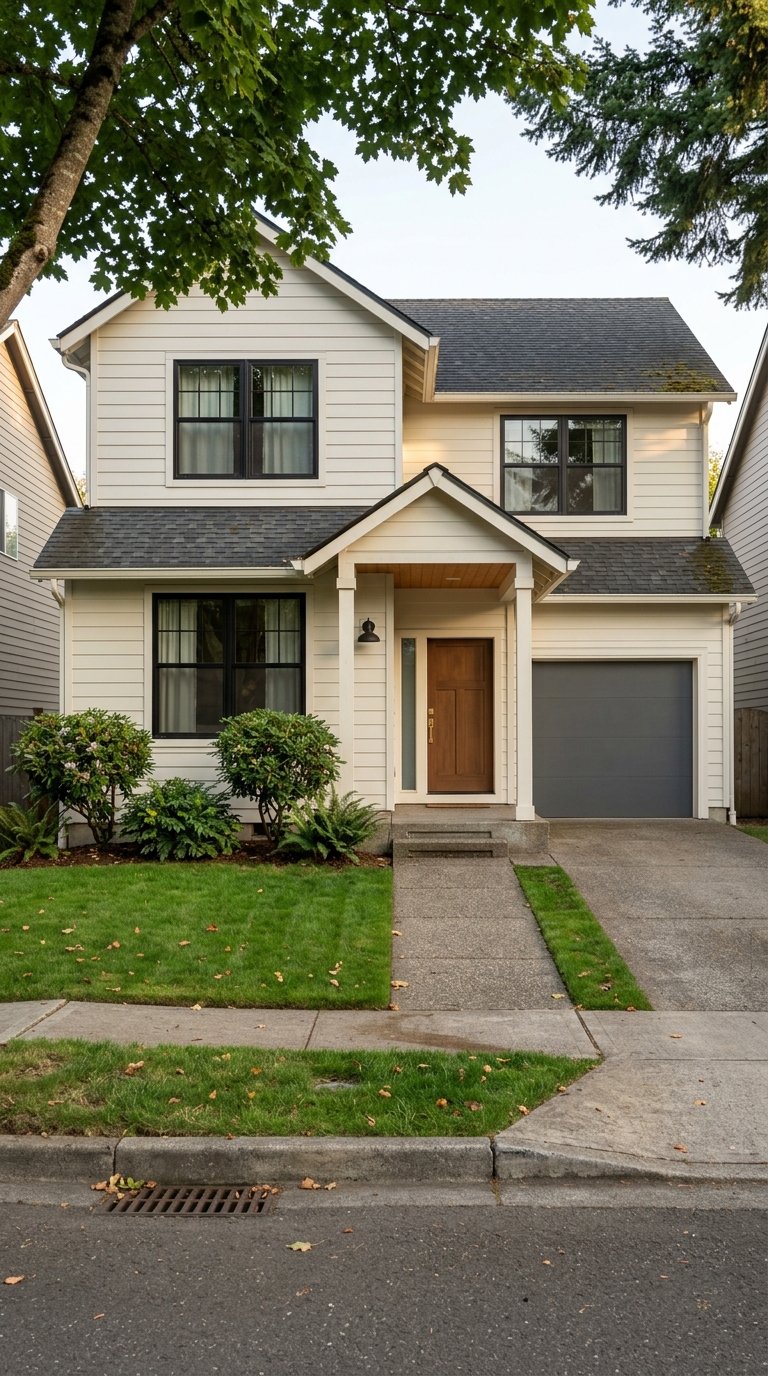
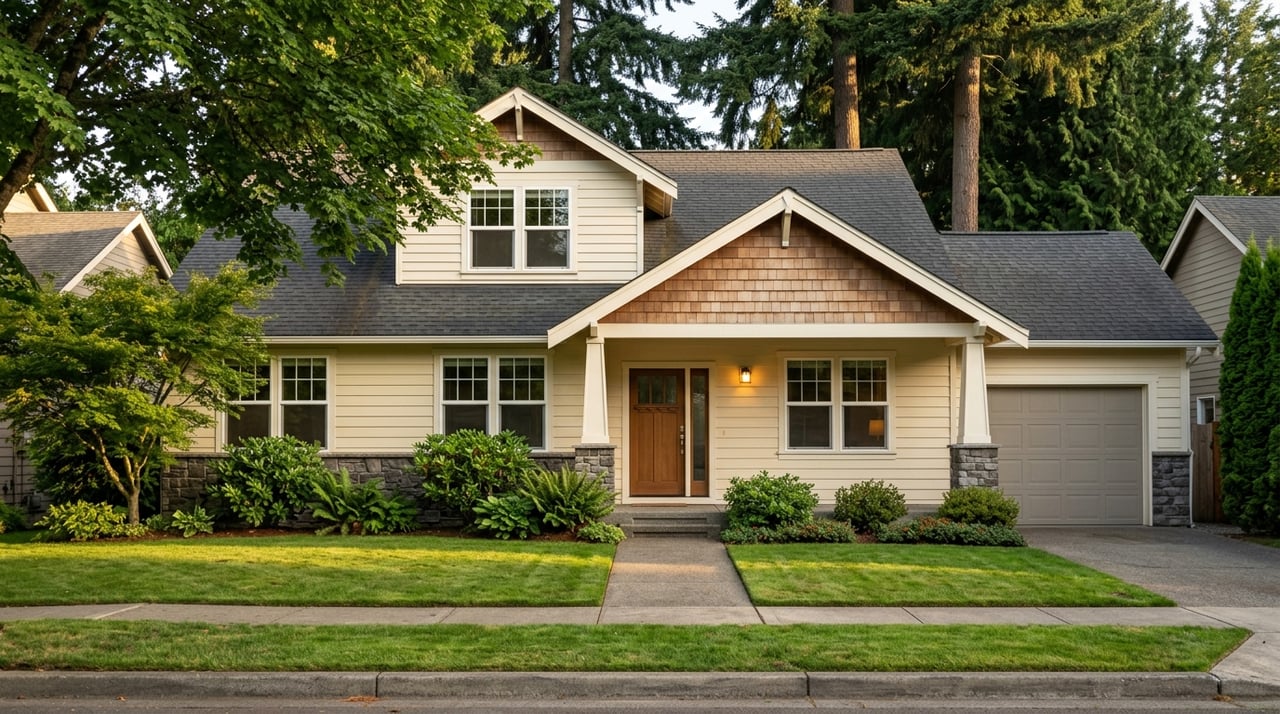
Camas remains primarily a single-family home market. The city’s comprehensive plan notes that some older neighborhoods have small lots and aging single-family housing stock, while newer and move-up housing patterns also shape the local inventory.
At the same time, Camas is expanding its housing options. The city now allows duplexes, triplexes, townhouses, courtyard apartments, cottage housing, stacked flats, and accessory dwelling units up to 1,000 square feet, with up to two ADUs per lot.
That means your options may include:
- Detached single-family homes
- Move-up subdivisions
- Townhomes and duplex-style properties
- Infill housing types
- Homes with ADU potential, depending on the property
For buyers, this creates a market that is still mostly centered on single-family living, but with a growing range of alternatives over time.
Camas Home Prices and Budget Expectations
Camas sits in a premium housing tier compared with nearby Vancouver and many other parts of Washington. If you are considering a move here, it is important to go in with realistic budget expectations.
The U.S. Census places the median owner-occupied home value in Camas at $711,700. It also reports median gross rent at $2,090, median monthly owner costs at $2,843 with a mortgage, and $962 without a mortgage.
Recent sale trends point even higher than the Census value benchmark. Redfin reports a median sale price of $826,000 for the three months ending May 2026, with Camas described as a somewhat competitive market where homes take about 43 days to sell and receive around two offers on average.
For comparison, Redfin reports a median sale price of $490,000 in Vancouver and $535,000 in Portland over the same period. Census data also shows Camas above Vancouver’s median owner-occupied value of $462,400 and Washington’s statewide median of $564,600.
The takeaway is pretty straightforward: Camas can offer a strong lifestyle package, but you will likely pay more for it. For some buyers, that premium feels worthwhile because of the parks, community feel, and housing style. For others, nearby areas may offer a better fit if budget is the top priority.
Who Camas May Be a Good Fit For
Camas often makes sense for buyers who want more than just a house. It tends to attract people looking for a suburban lifestyle with outdoor access, a recognizable town center, and practical connections to the larger Vancouver and Portland metro.
You may find Camas especially appealing if you want:
- A suburban environment with a stable residential feel
- Frequent access to parks, trails, and open space
- A historic downtown with local shops and events
- Housing options that are still largely single-family in character
- Regional access to Vancouver and Portland
At the same time, the city may be less ideal if your goal is to keep your purchase price as low as possible within Clark County. The lifestyle strengths are real, but so is the cost difference.
What Daily Life in Camas Feels Like
In everyday terms, living in Camas often means having a little more breathing room while still staying connected to the metro area. You might spend part of your week downtown, head to a park or trail on the weekend, and still rely on Vancouver or Portland for work or other regional needs.
The city’s owner-occupancy rate, residential stability, outdoor amenities, and active downtown all support that picture. It feels less like a fast-changing urban environment and more like a place where routines, local events, and neighborhood familiarity shape the experience.
That does not mean Camas is the right fit for everyone. But if you are looking for a parks-forward suburban community with a lively civic core and you are comfortable with a higher housing budget, Camas is easy to see as a compelling option in Southwest Washington.
If you are weighing Camas against Vancouver, Portland suburbs, or another Clark County location, having local guidance can make the decision much clearer. Henry Liu helps buyers, sellers, and investors across Oregon and Washington with calm, practical advice rooted in real market experience.
FAQs
What is Camas, Washington known for?
- Camas is known for its parks and open space, historic downtown, community events, and suburban setting in east Clark County.
Is Camas, Washington expensive to live in?
- Camas is in a higher housing-cost tier than nearby Vancouver and the Washington statewide median, with Census and recent sale data both showing above-average home values and rents.
What kinds of homes are common in Camas?
- Camas is still primarily a single-family home market, though the city also allows duplexes, triplexes, townhouses, courtyard apartments, cottage housing, stacked flats, and ADUs.
Is Camas, Washington good for outdoor recreation?
- Camas offers extensive outdoor access, including 16 developed parks, 12 miles of city trails, and more than 1,060 acres of parks and open space, with Lacamas Park as a major local destination.
Can you commute from Camas to Portland?
- Yes. Many people commute regionally by car or transit, and C-TRAN offers express service to downtown Portland and Marquam Hill, plus connections into the wider transit network.
Does Camas have a downtown area?
- Yes. Downtown Camas is a historic, tree-lined district with boutiques, eateries, art galleries, services, community events, and the Camas Public Library.