Buying your first home in Tigard can feel exciting and a little overwhelming at the same time. You are not just choosing a house. You are choosing a daily routine, a commute pattern, the kind of upkeep you want, and how much future change around you feels comfortable. This guide will help you compare Tigard’s main areas in a practical way so you can narrow your options with more confidence. Let’s dive in.
Start With How You Live
When first-time buyers look at Tigard, it helps to think beyond price alone. Tigard has a mix of detached homes, attached homes, and a smaller share of multifamily housing, so one area may fit your lifestyle much better than another.
A useful starting point is to ask yourself what matters most on a normal weekday. You may care most about commute ease, trail access, lower exterior maintenance, or being closer to errands and transit. Those priorities can quickly shape which parts of Tigard deserve a closer look.
Understand Tigard’s Housing Mix
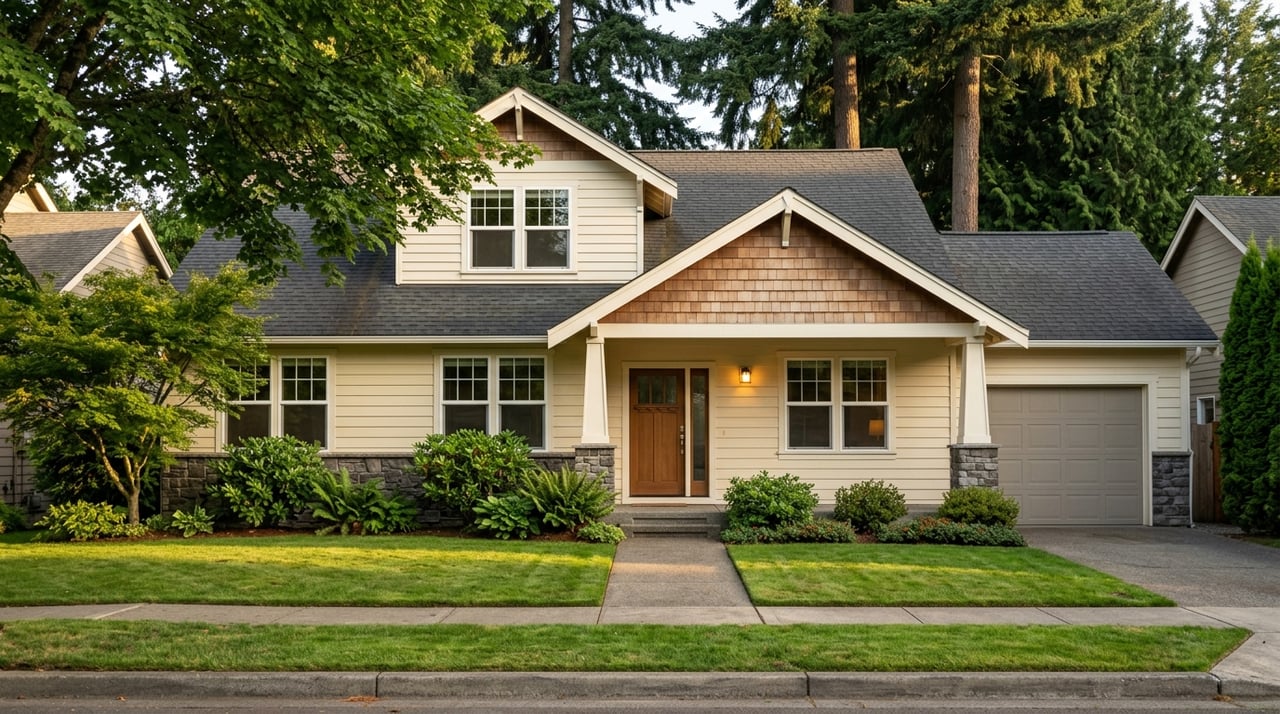
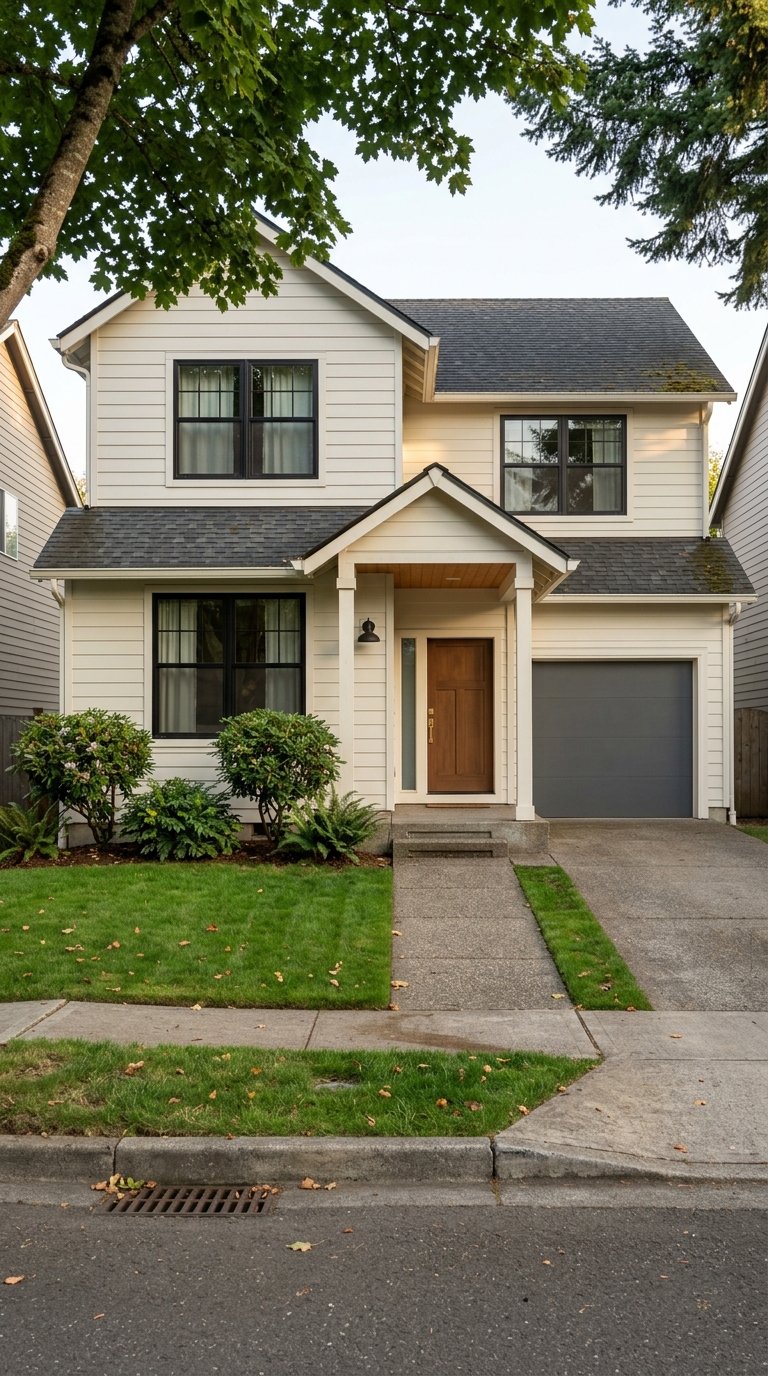
Tigard still leans suburban, but it is not made up of just one housing type. ACS data show 28,660 housing units, including 18,451 detached units, 6,259 single-unit attached units, 2,044 units in 20 to 49 unit buildings, and 60 units in 50+ unit buildings.
That variety matters for first-time buyers. A detached home may offer more lot space and storage, while an attached home or other lower-maintenance option may help you prioritize location, monthly costs, or upkeep. Tigard also allows a wider range of housing types, including ADUs, rowhouses, courtyard units, quads, and cottage clusters.
Keep Market Context in Perspective
Tigard’s recent market numbers offer helpful context, but they should be read carefully. Redfin reported a median sale price of $586,000 for the three months ending May 2026, with homes averaging 26 days on market, and the city was described as somewhat competitive.
The Census also reports a median value of owner-occupied homes at $610,500. Those numbers measure different things, so they should not be treated as the same metric. For you, the real takeaway is that Tigard can be competitive, and it helps to compare neighborhoods with a clear budget and a realistic idea of what type of home fits that budget.
Compare Tigard by Area
Downtown Tigard
Downtown Tigard is the city’s historic core and one of the strongest options if you want a more connected, walkable feel. City information highlights shopping, dining, transit access, the Sunday Farmers Market, Universal Plaza, Ash Avenue Dog Park, and connections to the Fanno Creek and Tigard Street trails.
For a first-time buyer, this area may be worth a close look if everyday convenience matters to you. It can be a strong fit if you want easier access to errands, transit, and community gathering spaces without needing to drive for every part of your day.
Best for lifestyle access
Downtown may appeal to you if you want:
- Access to transit and trail connections
- A more active mixed-use setting
- Easier walkability for errands and outings
- A neighborhood that is part of Tigard’s ongoing revitalization
Because downtown is an area of active planning and investment, it is smart to consider how you feel about future change nearby. Some buyers like the energy and momentum. Others prefer a more settled environment.
Tigard Triangle
The Tigard Triangle sits east of Downtown Tigard and is bounded by Highway 99W, Highway 217, and Interstate 5. City materials describe it as an area with redevelopment barriers that include limited walkability, lack of housing and neighborhood services, vacant lots, flooding, traffic congestion, broken sewer lines, and zoning or code issues.
That does not make it a place to avoid by default. It means you should approach it with clear eyes. If you are open to an area that may change over time, this may be a useful comparison point. If you want a more established feel today, you may prefer other parts of Tigard.
Best for buyers comparing future change
When you look at the Triangle, think about:
- How comfortable you are with ongoing redevelopment
- Your driving routes and traffic tolerance
- Whether current walkability matches your needs
- How much future construction may affect your daily life
This is one of the clearest examples of why first-time buyers should compare more than listing photos. The surrounding context matters just as much as the home itself.
Washington Square Area
Washington Square Regional Center sits along Tigard’s northern edge and centers around Washington Square Mall. The city describes it as a shopping destination, employment center, and transit center, with access from Highway 217, Hall Boulevard, Scholls Ferry Road, and multiple transit lines.
Its residential pockets include detached houses, attached houses, and apartments. For you, that means the area can offer a broader range of housing choices than you might expect if you are focused on convenience and regional access.
Best for convenience and access
You may want to explore this area if you value:
- Access to retail and everyday services
- Proximity to employment centers
- Multiple transit connections
- A mix of housing forms in nearby residential pockets
This area may feel less purely residential than some other parts of Tigard. For many first-time buyers, that is a plus because it can support a more efficient daily routine.
River Terrace
River Terrace is Tigard’s newest neighborhood and sits on the city’s western edge. The city describes it as a primarily residential 500-acre area with a mix of housing types, natural open spaces, trails and parks, commercial services, and transportation options beyond driving.
This area can be especially appealing if you are drawn to newer housing. At the same time, it is important to remember that River Terrace is still unfolding, and River Terrace 2.0 expands planning even farther west and south.
Best for newer housing options
River Terrace may fit you well if you want:
- A newer residential setting
- Access to parks, open space, and trails
- A mix of housing types
- A neighborhood that is still developing over time
For some buyers, newer homes and newer planning are big advantages. For others, a fully built-out area feels more predictable. Neither preference is right or wrong. It is simply about fit.
Look Closely at Commute Patterns
The Census reports a citywide mean travel time to work of 22.9 minutes. That is useful as a broad baseline, but it does not tell you what your actual commute will feel like from one specific block to another.
Tigard’s transportation picture varies by area. Downtown and the Tigard Transit Center stand out if transit matters to you, and Washington Square is another strong comparison point for transit access. The Tigard Transit Center connects to WES Commuter Rail and multiple bus lines, and WES operates on weekdays during morning and afternoon rush hours every 45 minutes.
It is also worth remembering that Hall Boulevard and Highway 99W are state highways maintained by ODOT. If you are comparing neighborhoods, test the routes that matter most to you at the times you would actually travel.
Don’t Overlook Parks and Errands
A neighborhood can look great on paper but feel very different once you think about how you spend free time. Tigard has nearly 550 acres of parks, greenways, and natural areas, which gives buyers a meaningful quality-of-life factor to compare across the city.
Fanno Creek Trail is a regional 15-mile trail running from Tualatin to Portland, and the Tigard Heritage Trail connects Downtown Tigard to Tiedeman Avenue along a 3/4-mile off-street commuter route. If you enjoy walking, biking, or having a trail nearby for everyday routines, that should be part of your comparison process.
Everyday convenience matters too. Downtown Tigard offers a more walkable mix of shops, dining, transit, and community spaces, while Washington Square offers broader retail and employment access. River Terrace emphasizes residential growth with trails, parks, and neighborhood services.
Use a Simple Comparison Matrix
When first-time buyers get stuck, it is usually because they are trying to compare too many things at once. A simple matrix can make your decision much clearer.
Try rating each area based on the factors that matter most to you:
- Housing type you can realistically afford
- Estimated monthly payment
- Commute route and travel time
- Access to parks and trails
- Parking and storage needs
- Exterior maintenance expectations
- Comfort with future redevelopment
- Access to errands, shopping, or transit
This method works well in Tigard because the city’s main areas each offer a distinct mix of housing, transportation, and future development patterns. Instead of asking which neighborhood is best, ask which one fits your life best right now.
Think About Change Before You Buy
Tigard’s 2027 Comprehensive Plan identifies redevelopment emphasis in Downtown Tigard, the Tigard Triangle, Washington Square Regional Center, and the Pacific Highway Corridor. For you, that means future change is not just possible in parts of Tigard. It is part of the long-term plan.
That can be a benefit or a drawback depending on your goals. Some buyers like being in an area with visible investment and evolving amenities. Others want a more settled pattern with fewer unknowns. Knowing your comfort level up front can save you time and help you avoid buyer’s remorse.
A Practical Way to Narrow Your Search
If you are just getting started, begin by choosing two or three Tigard areas that match your routine. One might be more transit-connected, another might offer newer housing, and another might feel more established.
Then compare the actual homes available in those areas through the lens of your daily life. A first home should support how you live now while still giving you room to grow. In Tigard, the right choice often comes from matching the neighborhood pattern to your priorities, not from chasing one-size-fits-all advice.
If you want help sorting through Tigard with a calm, practical strategy, Henry Liu can help you compare neighborhoods, weigh tradeoffs, and move forward with confidence.
FAQs
What should first-time buyers compare between Tigard neighborhoods?
- First-time buyers in Tigard should compare housing type, monthly payment, commute route, trail and park access, parking, maintenance needs, and comfort with future redevelopment.
Is Tigard mostly single-family homes for first-time buyers?
- Tigard has a strong detached-home base, but it also includes attached homes and some multifamily housing, so the housing mix can vary a lot by area.
Which Tigard areas have the strongest transit access?
- Downtown Tigard and the Tigard Transit Center are key transit-oriented areas, and Washington Square is another strong comparison point for transit connections.
Is River Terrace a good Tigard area to compare for newer homes?
- River Terrace is Tigard’s newest neighborhood and is especially relevant if you want newer housing, open space, trails, parks, and are comfortable with an area that is still developing.
How competitive is the Tigard housing market for first-time buyers?
- Recent Redfin data described Tigard as somewhat competitive, with some homes receiving multiple offers and homes averaging about 26 days on market.