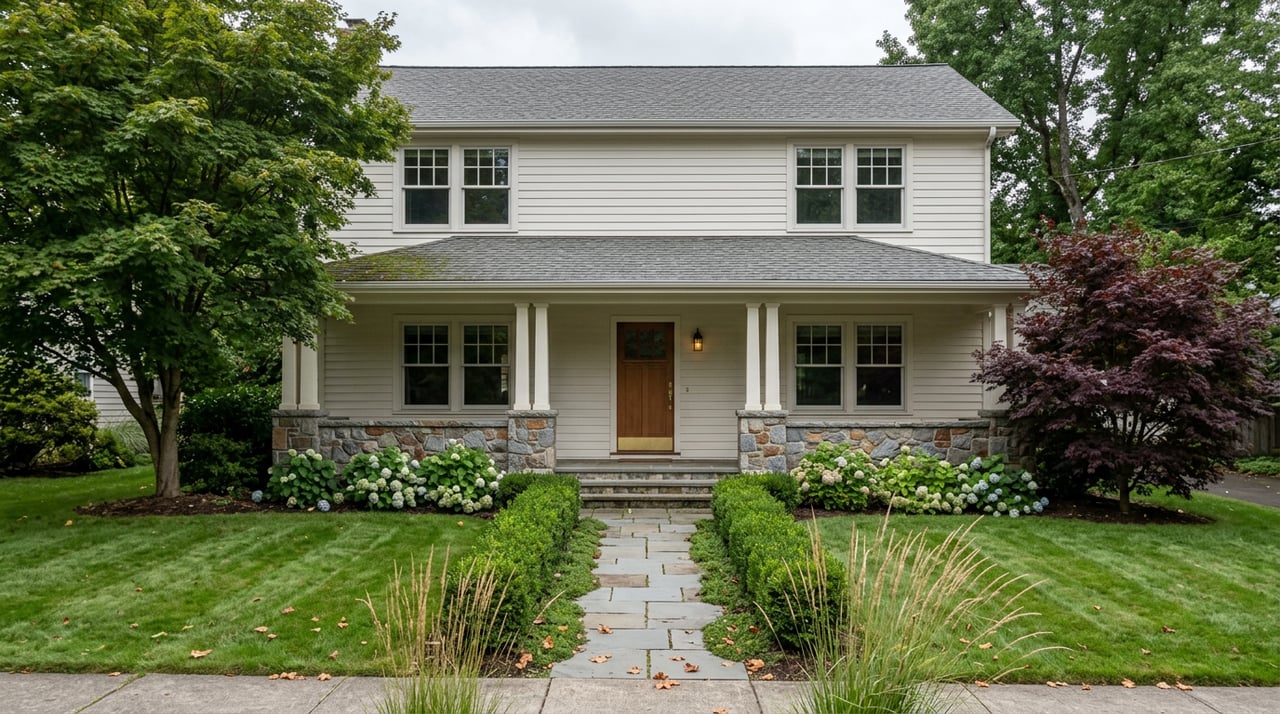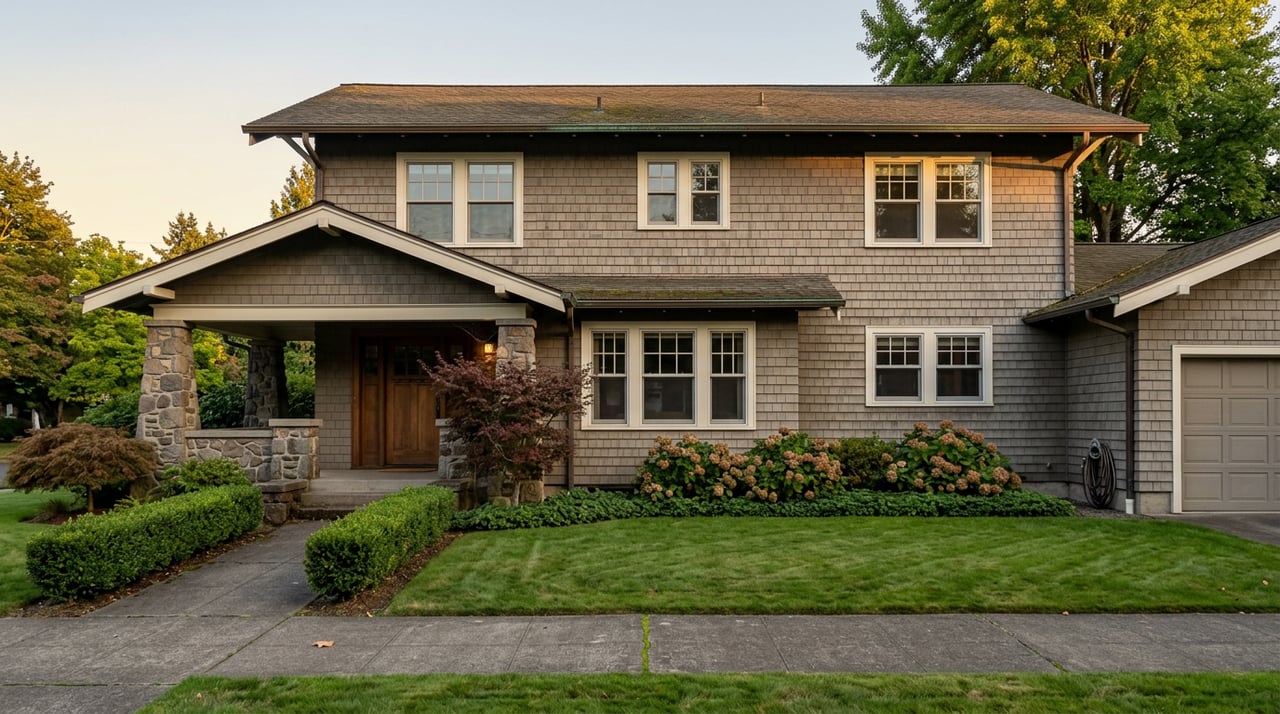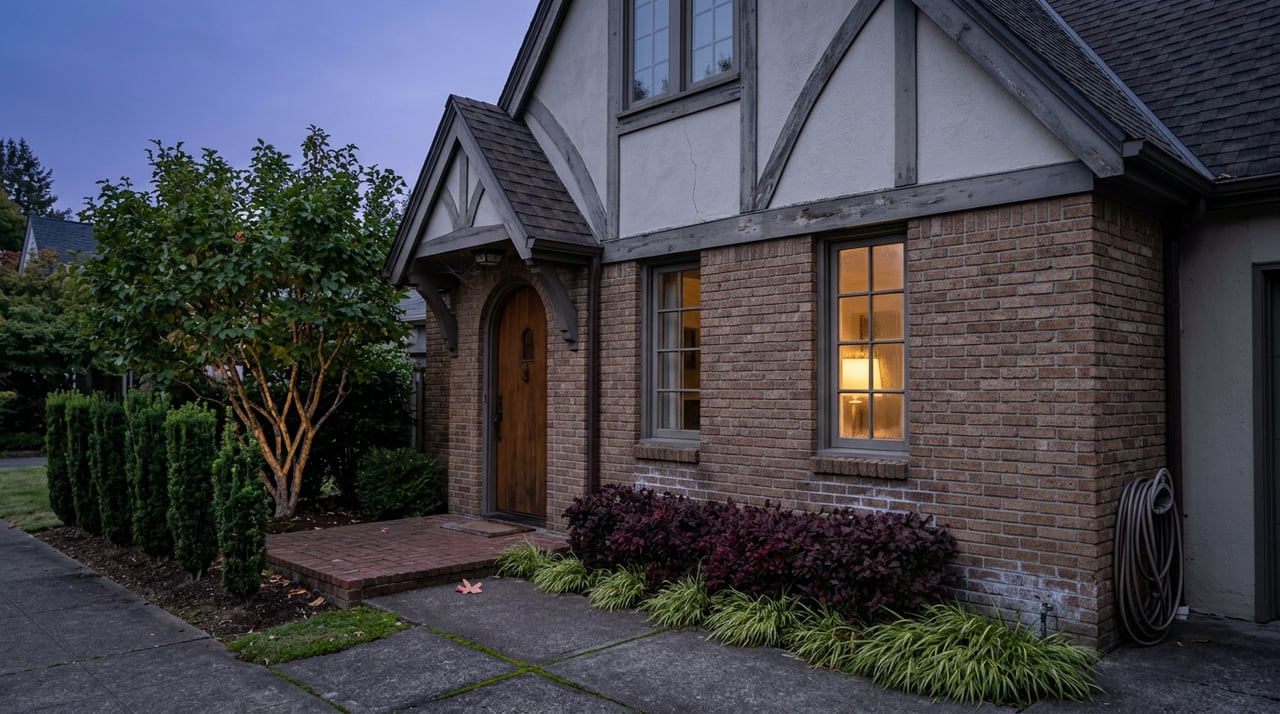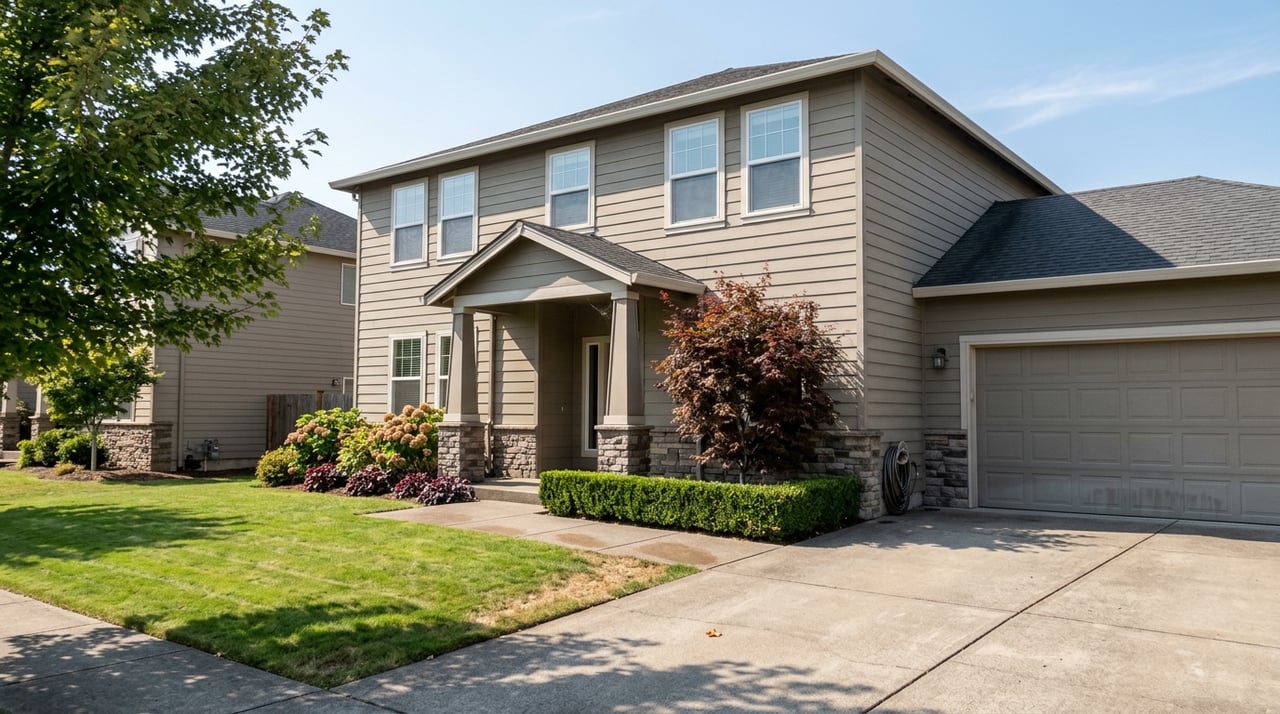
A house in Bethany priced at $780,000 might sell in three weeks with a full-price offer. Another house half a mile away, priced almost identically, might sit for two and a half months while the seller cuts the price twice. Both show up in the same median. Neither tells you anything about the other. That gap is the thing worth understanding before you write an offer here, because Bethany right now is not one market with one number attached to it. It is two markets that happen to share a ZIP code.
Why "Bethany" isn't a city, and why that matters more than it sounds
Start with something buyers often don't realize until they're deep into a search: Bethany isn't an incorporated city. It's a Census-designated place inside unincorporated Washington County, which means there's no city hall, no city council, and no city property tax layer sitting on top of your bill. It also means there's no city government providing the services a municipality normally would. Fire response comes from Tualatin Valley Fire and Rescue, law enforcement comes from the Washington County Sheriff's Office, and schools come from the Beaverton School District. None of that is a downgrade. It's just a different structure, and that structure has a direct financial consequence: the services a city would normally fund and standardize across every resident are instead handled community by community, largely through homeowners associations.
That's the part a median price can't capture. Two homes in Bethany can carry the same list price and completely different monthly realities depending on what their HOA covers, whether it maintains a pool or community center, how well-funded its reserves are, and whether a special assessment is sitting on the horizon. There is no city budget smoothing any of that out. Before you fall in love with a number, ask for the HOA's current budget, its reserve study, and its assessment history. That single request tells you more about your real monthly cost than the list price does.
The two markets inside one median
Over the three months ending May 2026, Bethany's median sale price came in at $766,000, down 1.8% from the same period a year earlier, while the price per square foot actually rose slightly to $303, up about 1% year over year. Homes were also moving faster: an average of 24 days on market, down from 45 days the year before, with 115 homes sold in May 2026 compared with 85 in May 2025. Read on its own, that looks like a market getting hotter and slightly cheaper at the same time, which is a strange combination.
A separate market snapshot for Bethany's 97229 ZIP code, published in July 2026, explains the strangeness. The market splits cleanly by price tier. The entry-to-mid range, roughly $650,000 to $820,000, is the most active band by far, with homes moving quickly and buyers negotiating only modestly off list, landing at an average sold-to-list ratio of 97.55%. The luxury tier above that band is moving much more slowly. Mortgage rates in the same window sat between 6.25% and 6.375%, according to OnPoint Credit Union data cited in that report, which is squarely where the entry-to-mid buyer pool is shopping and stretching to qualify.
That split also explains why a different local listing snapshot, dated June 1, 2026, reported a much longer average of 82 days on market and a median list price of $702,500, a very different picture from the Redfin figures above. Neither source is wrong. They're measuring different slices of the same bifurcated market at slightly different moments, which is exactly the point: a single median or a single days-on-market figure flattens two very different buyer experiences into one number.
| Segment | What's happening (as of mid-2026) |
|---|---|
| Entry-to-mid tier ($650K–$820K) | Most active price band, fastest sales, buyers negotiating only slightly off list |
| Upper/luxury tier | Slower sales, growing competition from rental listings, softer pricing pressure |
The mechanism behind the slowdown at the top
Here's the part that doesn't show up on a portal at all. That same July 2026 report noted a rise in larger homes, 2,700 square feet and up, with four or five bedrooms, entering the rental market rather than the for-sale market. The explanation tied to it was Intel-related workforce shifts, with some families relocating out of state, in some cases following opportunities at Samsung or elsewhere, and choosing to rent out their Bethany home rather than sell it into a softer luxury segment. That adds high-end rental inventory to the area and, over time, applies gentle downward pressure on purchase prices at the top of the market specifically, while leaving the competitive entry-to-mid tier largely untouched.
If you're shopping above $900,000 in Bethany right now, that's useful leverage to understand. You're not competing in the same market as the buyer looking at a $700,000 listing three streets over. You have more room to negotiate, more time to think, and a legitimate reason to ask why a listing has been sitting.
What actually varies block to block
Bethany's housing stock isn't uniform, and neither is its cost structure, because it grew up as a patchwork of separately developed, separately governed communities rather than a single planned city.
- North Bethany is still filling in. According to Metro, the regional government, only a small fraction of the roughly 5,000 homes planned for the area have been built so far, which means new construction and new HOA formation are still actively shaping this specific part of the market.
- Arbor Heights is a newer-construction pocket that tends to hold value well, with amenities like a community center residents can walk to for a swim or a game of basketball.
- Arbor Oaks is known more for walkability and a tighter neighborhood feel than for new-build premiums.
- Oakridge Estates represents the more established end of Bethany's housing stock, built out earlier than the newer subdivisions to its north.
Day to day, residents across these pockets share some common ground: Bethany Village anchors much of the everyday commercial activity, with Bethany's Table and Bethany Public House and Brewery among the local dining options, and the Streets of Tanasbourne nearby covers larger-format retail. Outdoor space is well distributed too, from the 42-acre Bethany Lake Park to the 32-acre PPC Rock Creek Recreation Center and the nine-hole Claremont Golf Club, with Forest Park's northern reach not far off. None of that changes your mortgage payment, but it does explain why demand holds up in the entry-to-mid tier even while the luxury segment cools.
Before you write an offer here
- Ask for the HOA's current dues, budget, and reserve study, not just the monthly number. A low due with an underfunded reserve is a future special assessment waiting to happen.
- Find out whether the specific subdivision is still building out. Ongoing construction in North Bethany can mean temporary noise and traffic, but it can also mean more HOA turnover and evolving rules.
- If you're above the $820,000 mark, ask how long comparable listings have actually sat, not just what they sold for. The luxury tier's slower pace gives you real negotiating room.
- If you're an investor rather than an owner-occupant, know the range you're working with. Single-family rentals in Bethany are producing estimated cap rates around 3.0% to 3.8% at current price points, while small multifamily in the broader Portland metro suburban submarket typically runs 4.5% to 5.5%, with value-add deals pushing above 6%. Bethany's premium price point reflects location and perceived school access more than rental yield.
Median household income in the area runs above $167,000, which is part of why the entry-to-mid tier stays this competitive even as rates hover in the low-to-mid 6% range. Proximity to Nike's headquarters in Beaverton and Intel's campuses in Hillsboro keeps a steady pool of dual-income buyers in that band, which is exactly the demand holding up the numbers in the table above.
A few questions worth asking directly
Does Bethany have its own city government? No. It's an unincorporated Census-designated place in Washington County, served by Tualatin Valley Fire and Rescue, the Washington County Sheriff's Office, and the Beaverton School District rather than a city administration.
Why do days-on-market figures for Bethany vary so much between sources? Because the market itself is split. A source pulling recent, fast-moving entry-to-mid-tier sales will show a much shorter average than one that includes slower luxury inventory sitting for months. Neither number is inaccurate. They're describing different parts of the same market.
Is now a good time to buy in Bethany if I'm priced above $900,000? The upper tier is moving more slowly than the rest of the market, partly due to a rise in larger homes entering the rental pool instead of the for-sale market. That generally means more room to negotiate than the entry-to-mid tier allows.
If you're weighing Bethany against nearby Beaverton, Tigard, or another close-in submarket, the honest answer depends on which price band and which HOA you're actually looking at, not the headline median. That's the kind of comparison worth working through with someone who tracks these numbers month to month rather than reading them off a single snapshot.
Henry Liu has spent years combining hands-on investing experience with day-to-day brokerage work across the Portland and Vancouver metros, including submarkets like Bethany where the HOA structure and price segmentation genuinely change the math. If you're comparing Bethany to other Portland-area neighborhoods, want a closer look at buying here, or just want a second set of eyes on a specific listing's HOA documents before you write an offer, Let's Connect.